Tokyo’s transport system can feel overwhelming for first‑time visitors. With its labyrinthine metro lines, extensive bus network, and ever‑present taxis, choosing the right mode of travel often becomes a puzzle. This guide breaks down the pros and cons of each option, helps you navigate coverage zones, and provides real‑world cost and time comparisons — so you can move around the city like a local.
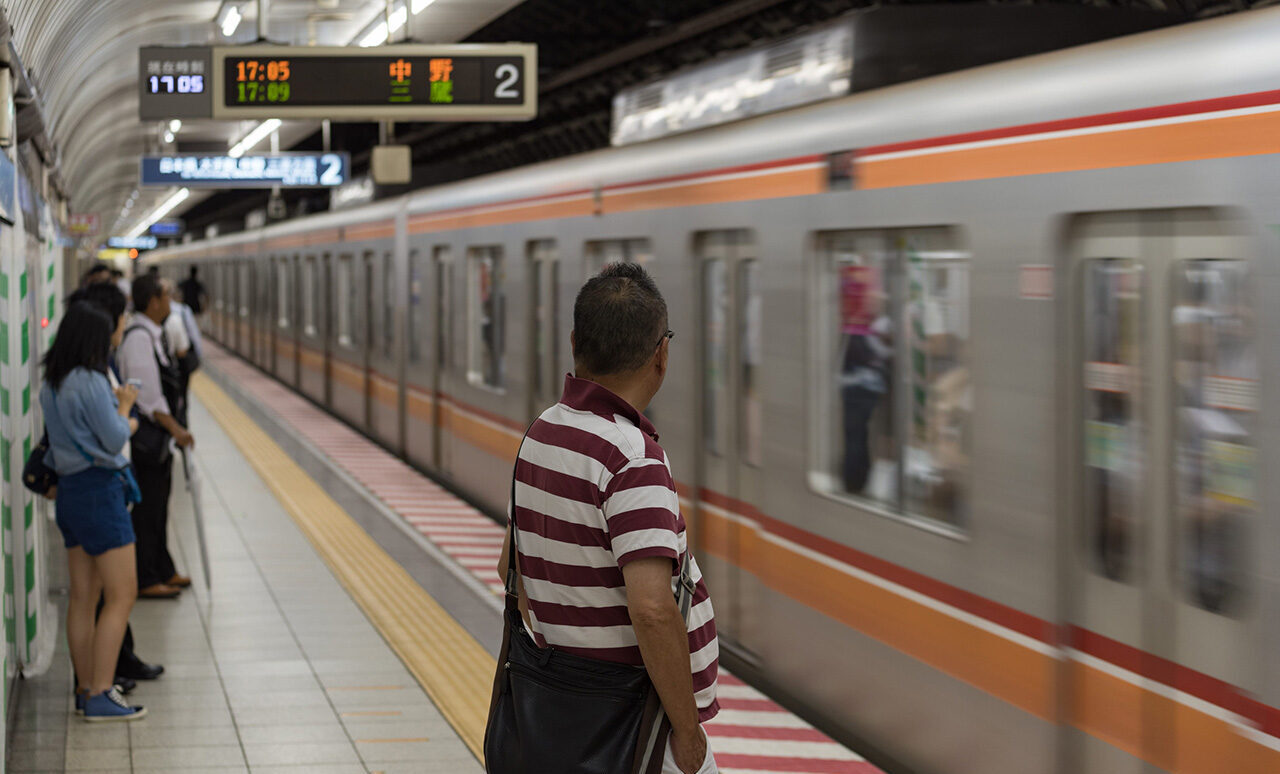
1. Tokyo Metro: The Backbone of the City
Pros:
- Speed and frequency: Trains arrive every 2–5 minutes during peak hours.
- Extensive coverage: 13 lines serve 286 stations across central Tokyo and key suburbs.
- Affordability: Fares range from ¥180 to ¥400 for most central trips.
- English signage: Major stations have bilingual signs and announcements.
Cons:
- Crowding: Rush hours (7:30–9:00 and 17:30–19:30) turn trains into sardine cans.
- Complexity: Transferring between lines requires careful planning (e.g., Shibuya to Asakusa involves 2–3 transfers).
- Limited late‑night service: Last trains depart around 00:00–00:30.
- Best for: Solo travelers, commuters, and those on a budget moving between major districts (Shinjuku, Ginza, Ueno).
2. Buses: The Underrated Option
Pros:
- Direct routes: Often connect points not served by metro (e.g., residential areas, temples).
- Scenic rides: Great for sightseeing (e.g., the #23 route along Meguro River).
- Flat fare: Most central routes cost ¥210–¥310, regardless of distance.
Cons:
- Slow: Subject to traffic jams (a 3 km trip can take 40 minutes).
- Language barrier: Few buses have English announcements or route maps.
- Cash only: No IC card readers on some older buses.
- Best for: Short hops between metro stations, tourists exploring quiet neighborhoods, or when carrying bulky items (buses have more space than trains).
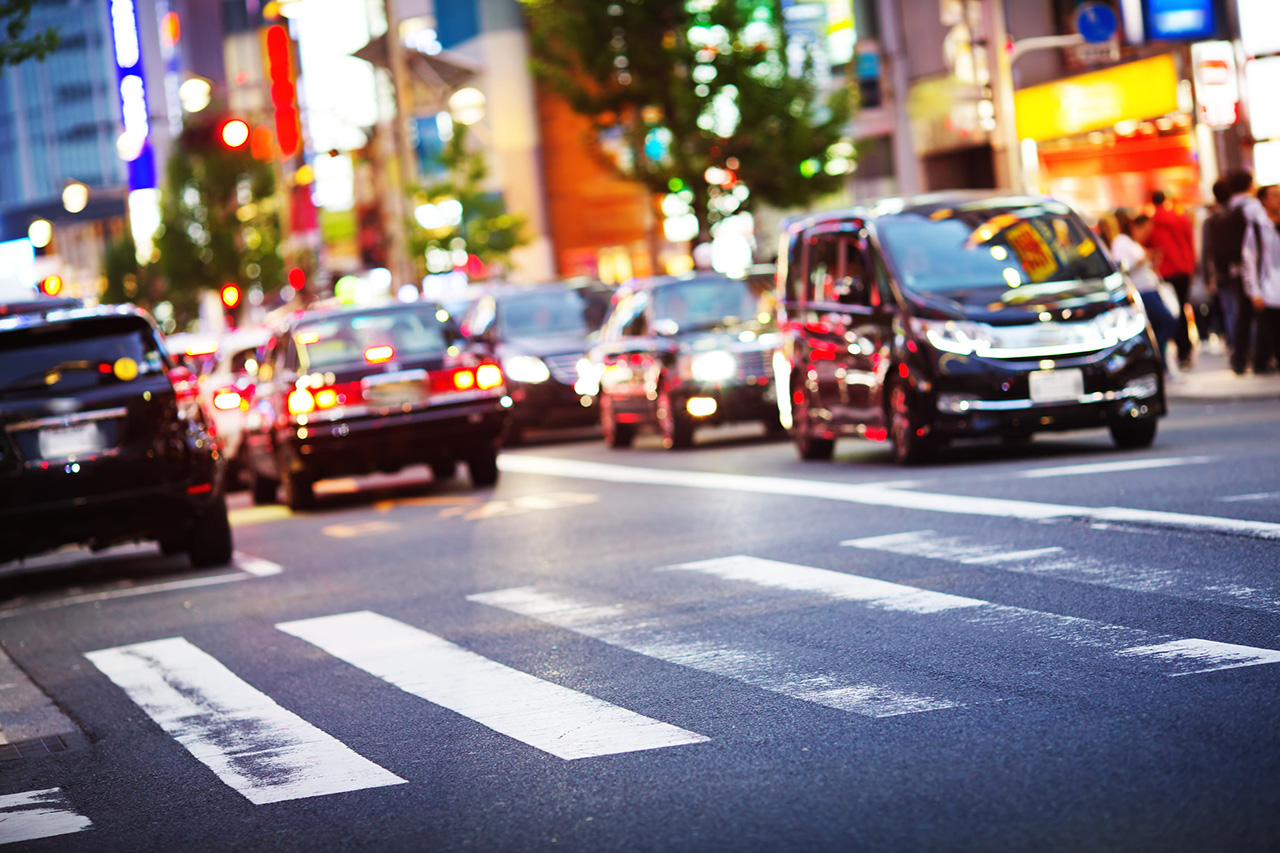
3. Taxis: The Ultimate Convenience
Pros:
- 24/7 availability: Taxis operate all night, unlike metro and buses.
- Door‑to‑door service: No walking or transfers — ideal for heavy luggage or bad weather.
- Multilingual drivers: Many accept credit cards and can communicate basic English.
- Fixed rates for airport transfers: Predictable pricing when booking via services like tokyo.taxi.
Cons:
- Traffic delays: Rush hour trips can double in time and fare.
- Best for: Late‑night returns, families/groups, airport transfers, or when time.
Coverage Zones: Where Each Mode Shines
Metro: Dense coverage in central wards (Chiyoda, Minato, Shinjuku). Limited reach in outer suburbs (e.g., Tama area).
Buses: Strongest in residential zones (Setagaya, Nerima) and tourist spots (Asakusa, Roppongi Hills). Sparse in business districts.
Taxis: Available everywhere, but harder to hail in remote areas. Pre‑booking recommended for outer suburbs.
Real‑World Examples: Time & Cost Comparison
Route 1: Narita Airport → Shinjuku (35 km)
- Metro + Train (Keisei Skyliner + Yamanote Line):
- Time: 75 minutes
- Cost: ¥2 800 (Skyliner) + ¥360 (Yamanote) = ¥3 160
- Note: Requires navigating terminals and carrying luggage up/down stairs.
- Bus (Airport Limousine):
- Time: 90–120 minutes (subject to traffic)
- Cost: ¥3 000
- Note: Direct but slow; limited departure times.
- Taxi (via tokyo.taxi):
- Time: 60–75 minutes (avoids train transfers)
- Cost: ¥22 000 (fixed rate, includes highway tolls)
- Note: Comfortable, door‑to‑door, available 24/7.
Route 2: Shibuya → Tokyo Disneyland (15 km)
- Metro + Train (Keio Line + JR Keiyo Line):
- Time: 50 minutes
- Cost: ¥600 (Keio) + ¥480 (JR) = ¥1 080
- Note: 2 transfers, crowded during weekends.
- Bus:
- Time: 70–90 minutes
- Cost: ¥500 (local bus)
- Note: Infrequent service; no English announcements.
- Taxi:
- Time: 35–45 minutes
- Cost: ¥8 500–¥10 000
- Note: Ideal for families with strollers or groups of 4–5 (split fare becomes competitive).
Route 3: Late‑Night Trip (Roppongi → Asakusa at 01:00)
- Metro: Not available (last train at 00:30).
- Bus: Not available (most stop at 23:00).
- Taxi:
- Time: 25 minutes
- Cost: ¥6 000–¥7 500 (includes 20 % night surcharge)
- Only viable option.
When to Choose What: Quick Decision Guide
On a budget? → Metro or bus (plan your route yourself, taking into account transport schedules, traffic jams and transfers.).
Traveling late at night? → Taxi (only reliable option).
Carrying heavy luggage? → Taxi (avoid metro stairs and crowded trains).
Group of 3–5 people? → Taxi (split fare can match metro costs).
Sightseeing at a relaxed pace? → Bus (enjoy city views without rushing).
Why Taxis Remain the Most Convenient Option
While Tokyo’s metro and buses are efficient and affordable, taxis offer unmatched flexibility:
- No planning needed: Just hop in and say your destination.
- All‑weather reliability: Rain, snow, or typhoon — your ride waits.
- Time savings: Avoid transfers and walking, especially with kids or elderly travelers.
- Stress‑free airport arrivals: Pre‑booked taxis meet you at the terminal with name signs.
- For first‑timers, we recommend starting with the metro for short trips and reserving taxis for critical journeys (late nights, airports, or when convenience outweighs cost). Services like tokyo.taxi simplify the process with fixed rates, English support, and 24/7 booking.
With this knowledge, you’ll navigate Tokyo’s transport maze with confidence — and maybe even enjoy the ride!